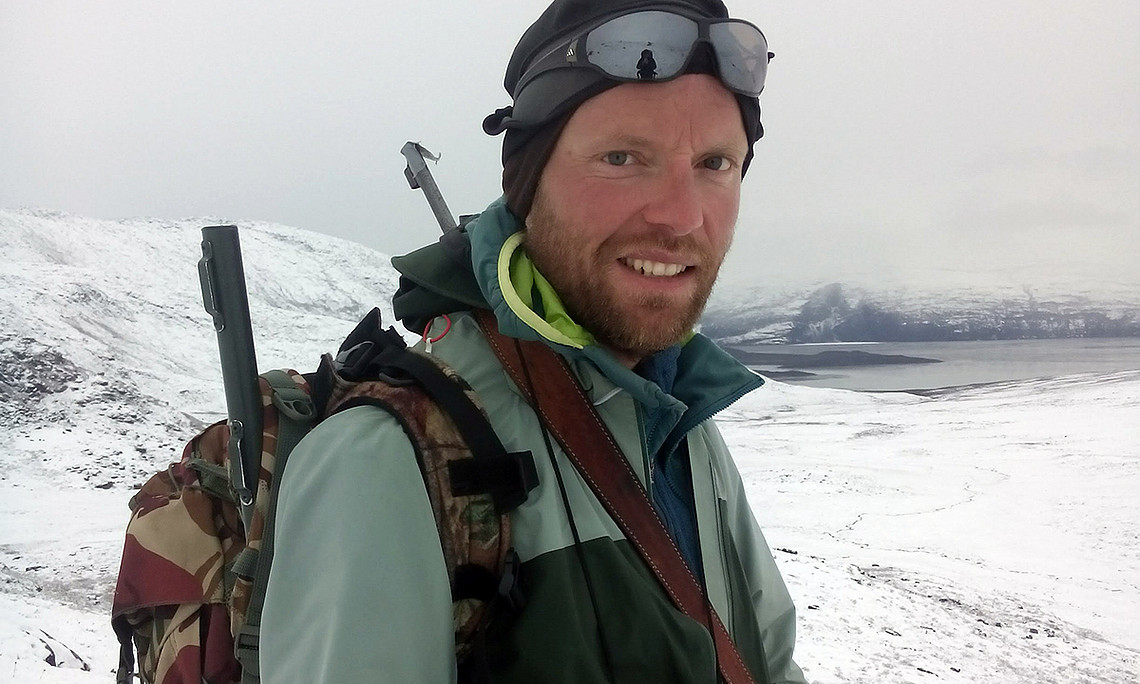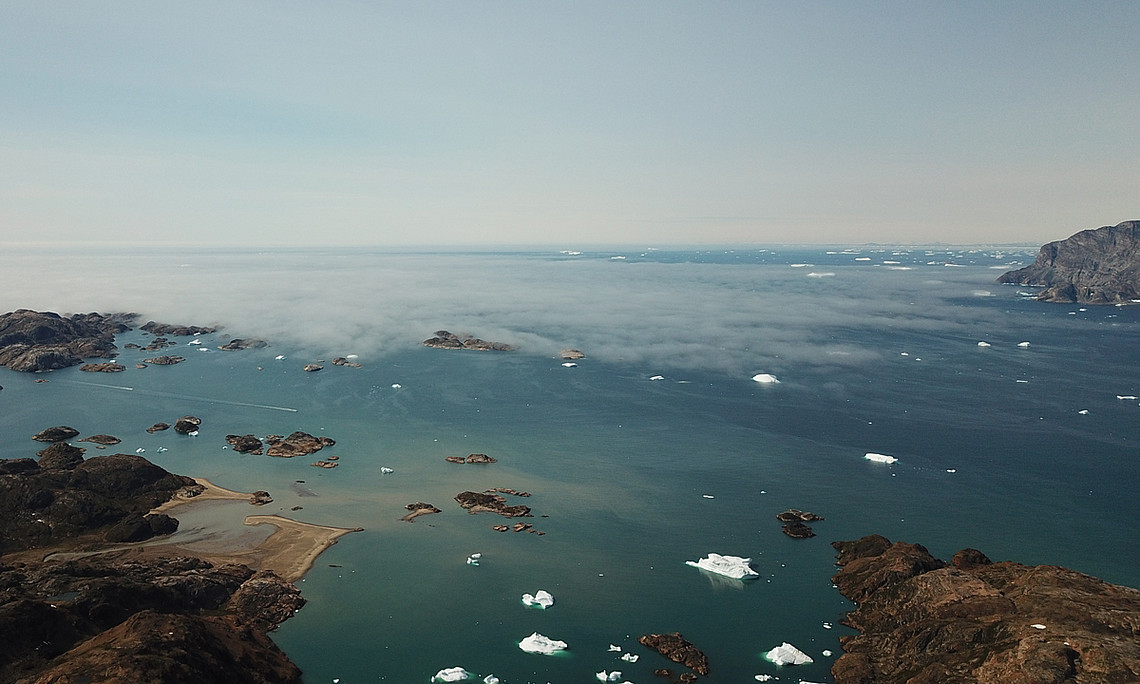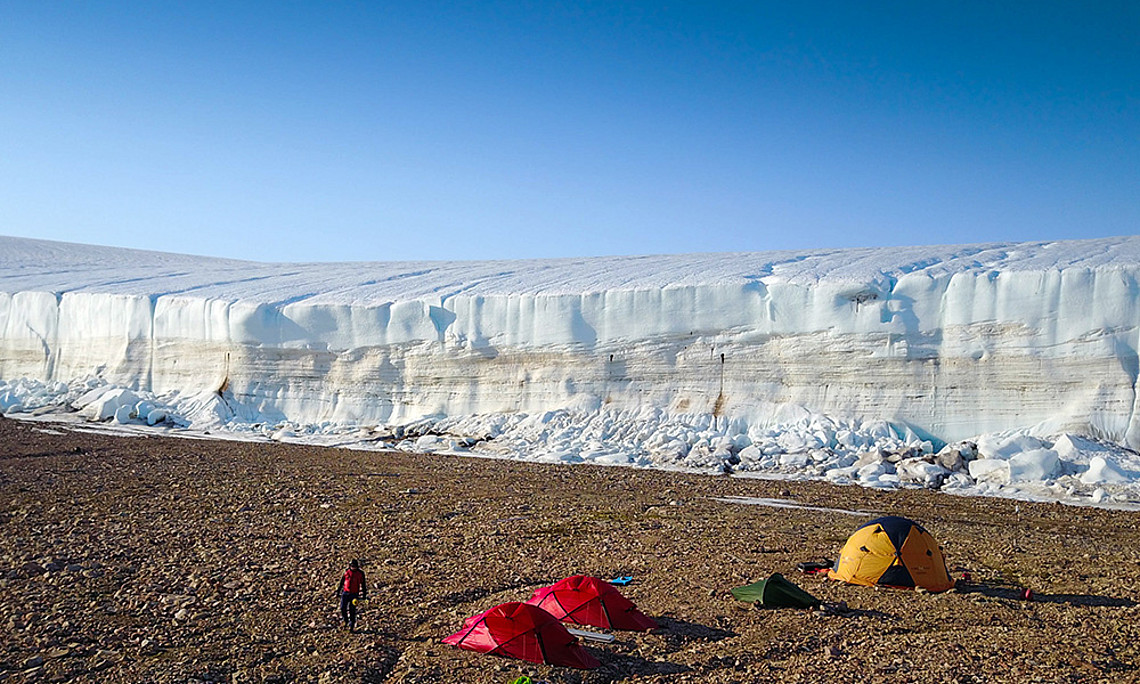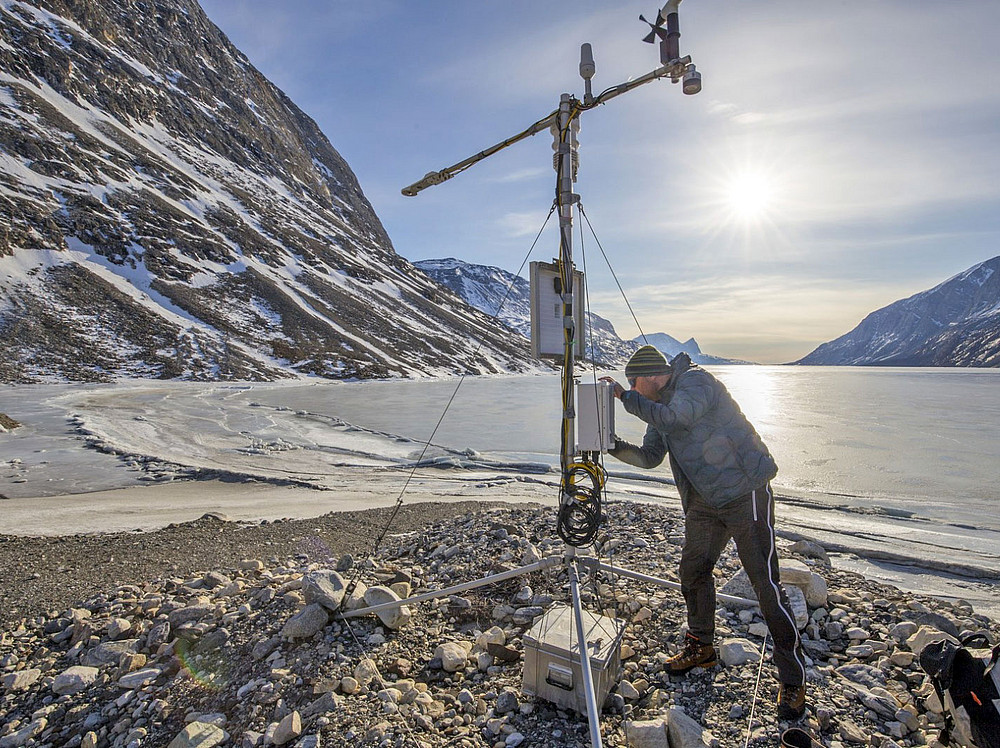
Ice cover and weather conditions in Greenland have a clear impact on the climate in Europe. Jakob Abermann from the Institute of Geography and Regional Sciences at the University of Graz devotes his career to studying the environmental conditions on the largest island in the world. Together with colleagues from the Know Center Graz, and the research institution GEUS, Denmark, he has now gained new insights using historical data from the legendary Alfred Wegener expedition to Greenland. Based on these data and on modern re-evaluation, this work can help understand climate change over a century. The results were published this week in the journal Scientific Reports.
“We stumbled over many a hundred pages of virtually unused records of measurements and meticulously documented metadata that Alfred Wegener had collected on his Greenland expedition almost a hundred years ago,” Abermann reports. Wegener was a professor for meteorology at the University of Graz at that time. The researchers analysed his documentation on the characteristics of snow and ice, glacier thickness, air temperature and humidity and compared it with current measurements and reconstructions from climate models. “It is astonishing how well the measurements agree with the modelling in many variables,” says Abermann. However, the complexity of local influences is not sufficiently covered. This in turn has implications for calculations on the evolution of glaciers.
“What is exciting for us is that Wegener’s expedition years 1929 to 1931 coincide with an exceptionally warm period from which we have hardly had any data up to now. Comparisons with today are therefore particularly relevant,” explains Abermann. In 2022, the Austrian research team set up an observation network aiming at comparing the measurement results with present-day conditions. The observed glacier has become up to 120 m thinner and retreated by more than two km since Wegener’s time.
As a next step, Abermann and his team plan to use the data obtained since last year and apply methods of artificial intelligence to determine the drivers of glacier changes. These findings will help to better estimate future changes in ice and climate.